
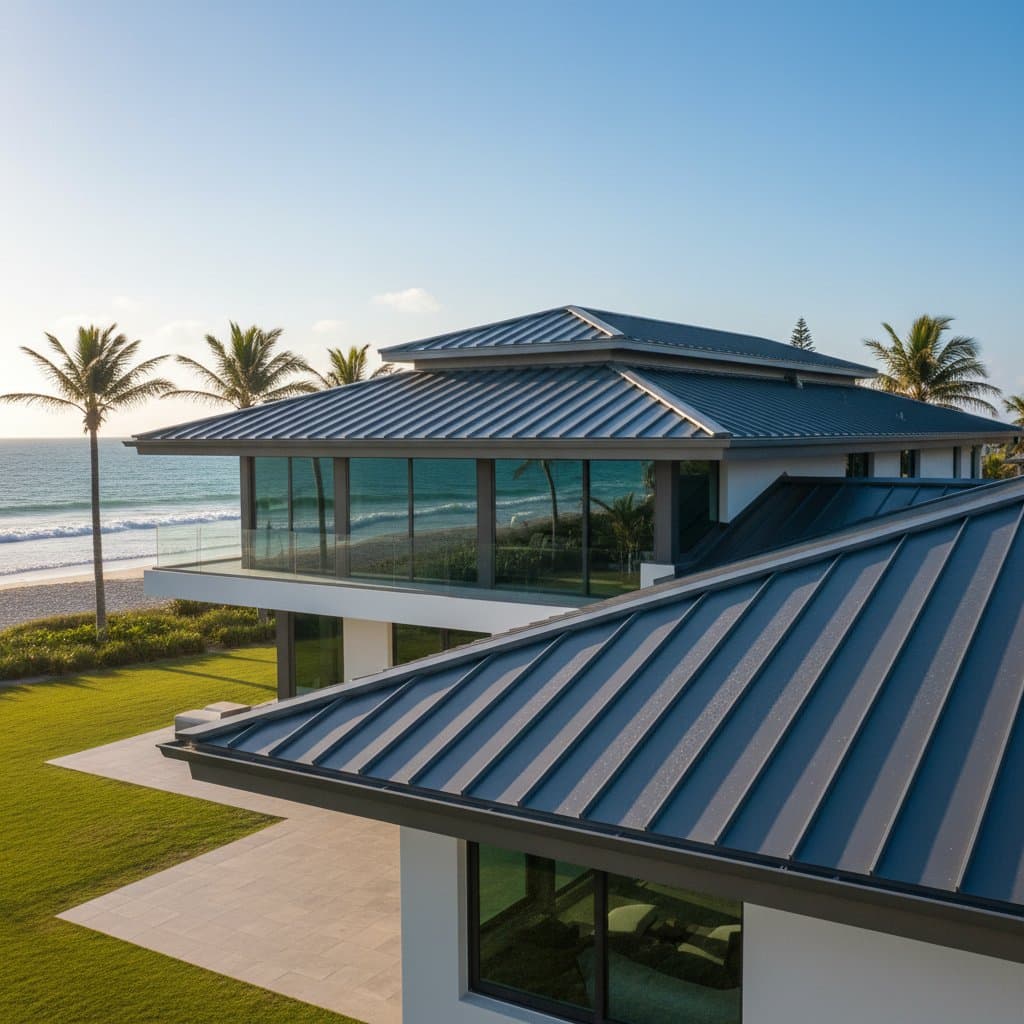
Defy Salt Corrosion: Essential Metal Roofs for Coastal Homes in 2026
Coastal environments present unique challenges for home exteriors, particularly roofs exposed to salty air. Ocean breezes carry salt particles that accelerate corrosion, leading to rust, structural weakening, and frequent repairs. Metal roofs engineered for marine conditions offer a robust solution, providing long-term durability, aesthetic appeal, and reduced maintenance.
Selecting an appropriate metal roof extends protection for decades while enhancing property value. These materials withstand harsh coastal elements without compromising design flexibility. The following sections detail key materials, coatings, designs, and installation practices that ensure optimal performance.
1. Select Marine-Grade Metals for Superior Resistance
Marine-grade metals form the foundation of corrosion-resistant coastal roofing. Aluminum alloys, such as 3004 or 5052 series, resist salt-induced pitting due to their natural oxide layer. Zinc coatings on steel panels provide sacrificial protection, where zinc corrodes preferentially to shield the underlying metal.
Stainless steel, particularly 316-grade, excels in high-salt environments with its high chromium and molybdenum content, which prevents chloride attack. These metals maintain integrity in humid, windy conditions common along coastlines. Consult material specifications to match the grade to local salinity levels for maximum longevity.
2. Apply Protective Coatings to Block Salt Intrusion
Protective coatings enhance metal durability by forming impermeable barriers against salt and moisture. Polyvinylidene fluoride (PVDF) formulations, such as Kynar 500, deliver outstanding resistance to fading, chalking, and chemical degradation from sea spray.
Galvalume, an alloy of 55 percent aluminum, 43.4 percent zinc, and 1.6 percent silicone, creates a self-healing surface that repairs minor scratches. Opt for factory-applied coatings with at least 70 percent PVDF content to ensure uniform thickness and adhesion. Verify warranties covering 30-40 years of salt-spray exposure to confirm quality.
3. Choose Design Profiles That Promote Drainage
Effective roof profiles minimize moisture retention, a critical factor in preventing corrosion initiation. Standing seam systems feature interlocking panels with concealed fasteners, eliminating exposed holes where salt can penetrate. These designs facilitate rapid water shedding, even on moderate slopes.
Corrugated profiles with sinusoidal waves direct runoff efficiently while allowing thermal expansion without stress cracks. Recommend a minimum 3:12 pitch for coastal installations to enhance drainage. Integrate continuous cleats and gaskets at seams to seal against wind-driven salt aerosols.
4. Use Compatible Fasteners and Flashings
Fasteners and flashings represent vulnerable points in any roofing system. Stainless steel screws with neoprene washers provide secure attachment without galvanic reactions when paired with similar metals. Avoid carbon steel components, which rust rapidly in saline atmospheres.
Fabricate flashings from matching materials, such as pre-coated aluminum for aluminum roofs, to maintain galvanic compatibility. Apply silicone sealants rated for marine use at penetrations and edges. Conduct post-installation torque checks on fasteners to prevent loosening from coastal vibrations.
5. Implement Routine Maintenance Protocols
Regular maintenance preserves the integrity of coastal metal roofs. Quarterly rinses with low-pressure fresh water remove salt deposits from surfaces and crevices. Focus on valleys, eaves, and ventilation openings where accumulation occurs most readily.
Annual professional inspections detect early coating breaches or fastener corrosion. Employ soft-bristle brushes for stubborn debris, avoiding abrasives that compromise finishes. Document maintenance logs to track warranty compliance and identify patterns in environmental impact.
6. Balance Aesthetics and Functionality in Design Choices
Coastal roofs must harmonize with surroundings while delivering performance. Low-gloss finishes in neutral tones, like ocean blue or weathered gray, reduce visibility of minor surface imperfections and reflect solar heat.
Textured panels simulating cedar shakes or clay tiles suit traditional styles, offering marine-grade protection without visual disruption. Select fluoropolymer coatings with solar reflectance indices above 0.25 to mitigate urban heat island effects in coastal zones. Test samples under local sunlight to predict color retention.
7. Evaluate Long-Term Economic Advantages
Initial costs for marine-grade metal roofs range higher than alternatives, yet lifecycle savings justify the investment. These roofs endure 50-70 years in coastal settings, compared to 15-20 years for asphalt shingles.
Energy-efficient properties lower cooling demands by up to 20 percent through reflectivity. Fire-resistant and wind-secure designs qualify for insurance discounts in hurricane-prone areas. Calculate return on investment using local energy rates and replacement frequencies to guide budgeting.
8. Partner with Specialized Coastal Installers
Expert installation adapts to coastal variables like high winds and humidity. Choose contractors certified in marine roofing with portfolios of seaside projects. They select underlayments, such as synthetic membranes with vapor permeability, to manage condensation.
Require detailed plans addressing ventilation spacing and edge detailing per regional building codes. Secure manufacturer-backed warranties transferable upon home sale. Post-installation, request as-built drawings for future reference during inspections.
Sustaining Performance After Installation
A properly installed coastal metal roof enhances daily living through improved acoustics, thermal regulation, and visual elegance. Rain patters softly on insulated panels, while interiors remain cooler during summer peaks.
Adopt preventive measures like immediate scratch repairs with matching touch-up paint. Monitor for discoloration after storms and address promptly. These practices extend service life and maintain aesthetic value.
Realizing Lasting Coastal Protection
Investing in a marine-grade metal roof transforms coastal homeownership by prioritizing resilience over remediation. Structures endure environmental rigors, allowing focus on enjoyment rather than upkeep.
Future upgrades or sales benefit from documented durability features. Embrace this choice for a secure, stylish sanctuary amid the sea.