
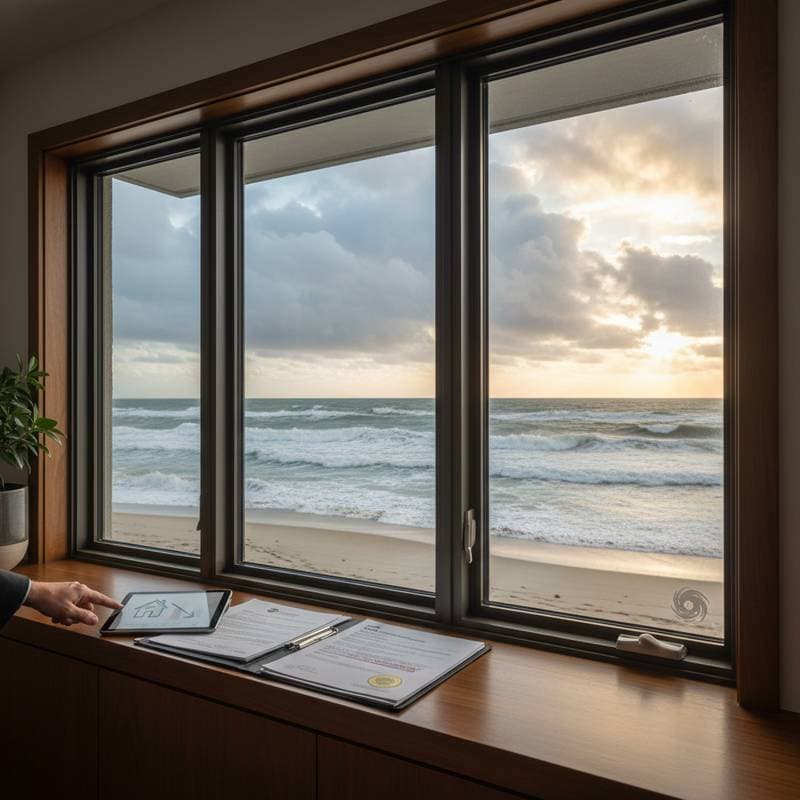
Understanding the Shift Toward Impact Windows
Insurance companies in storm-vulnerable regions have updated their policies to favor homes equipped with impact-resistant windows. These windows, designed to withstand high winds and flying debris, significantly reduce the risk of breakage during hurricanes or severe storms. As a result, claims for water intrusion and structural damage drop, allowing insurers to offer substantial premium discounts to policyholders who invest in this protection.
The demand stems from escalating repair costs and frequent natural disasters. Traditional windows often shatter upon impact, leading to interior damage and mold growth. Impact windows, certified to meet stringent standards like those from the Miami-Dade County protocol, provide a barrier that maintains home integrity and lowers overall risk for insurers.
Homeowners benefit beyond finances. These upgrades enhance energy efficiency, noise reduction, and long-term property resilience, making them a smart choice for coastal or high-wind areas.
Steps to Secure Insurance Discounts
To qualify for discounts, homeowners must follow a structured process that ensures proper installation and verification. Begin by reviewing your current policy to identify specific mitigation requirements. Many insurers offer 10 to 30 percent reductions for full compliance, but partial installations may yield smaller credits.
Preparation Phase
- Schedule consultations with certified contractors at least six months before your policy renewal or the start of storm season. This timeline accounts for material shortages and permitting delays.
- Verify lead times for impact window materials, which can extend up to 12 weeks in peak demand periods. Prioritize suppliers with proven track records in your region.
- Coordinate with your insurer early to understand exact documentation needs, such as product certifications and inspection reports.
Installation and Verification
- Proceed with installation only after obtaining necessary permits from local authorities. Ensure the contractor uses products rated for your area's wind load, typically 130 to 170 miles per hour in coastal zones.
- Arrange for a professional inspection immediately after completion. This step confirms adherence to building codes and insurer standards.
- Submit all records, including invoices, photos of installed windows, and certification labels, to your insurer at least 30 days before renewal.
Maintain ongoing dialogue with your insurance agent to track approval and confirm the adjusted premium rate in writing.
Avoiding Common Pitfalls
One frequent error occurs when homeowners delay planning until storm season approaches, resulting in rushed installations that miss discount deadlines. To avoid this, initiate the process during your policy's off-renewal period, allowing ample time for quotes, permits, and execution.
Another issue involves selecting subpar products that fail to meet certification standards. Always cross-reference window specifications against your local wind zone map, available through county building departments. Incomplete documentation, such as missing inspection reports, can also void potential savings; compile a comprehensive file from the outset.
By addressing these challenges proactively, homeowners position themselves for seamless compliance and maximum financial relief.
Regional Considerations for Compliance
Requirements for impact windows differ across locations, influenced by geography and climate. In coastal counties, such as those along the Gulf or Atlantic shores, stricter wind zones mandate higher resistance levels compared to inland regions. Consult your local building department for the latest design pressure maps to determine exact specifications.
Older homes in established neighborhoods might require supplementary structural reinforcements, like additional framing around window openings. In humid environments, opt for windows with corrosion-resistant frames and fasteners to prevent premature degradation. Colder areas necessitate verification that installations align with energy codes, ensuring thermal performance ratings support insulation needs.
Timing plays a crucial role. Schedule installations during drier months to allow sealants to cure properly, avoiding complications from rain or high humidity. Condominium owners should review association bylaws first, as some enforce aesthetic uniformity. If conflicts arise between local regulations and insurance demands, obtain a formal letter from your insurer outlining acceptable alternatives, such as accordion shutters or protective films.
Professional Installation Versus DIY Options
Impact window projects involve technical complexities that often exceed typical DIY capabilities. Professional installers bring expertise in structural modifications, ensuring windows integrate seamlessly with existing architecture while meeting safety codes.
Scenarios Requiring Professionals
- Alterations to window opening sizes or positions demand licensed contractors to handle load-bearing adjustments.
- Installations involving advanced anchoring systems or waterproofing membranes require specialized tools and knowledge.
- Insurers frequently stipulate certified professionals for discount eligibility, particularly in regulated areas.
- Any project subject to local inspections benefits from expert oversight to pass scrutiny efficiently.
When DIY Might Suffice
- Simple replacements of small, non-structural windows using pre-fitted inserts preserve original frames without modifications.
- Projects where prior permits exist and the homeowner possesses strong carpentry skills can proceed independently.
- An engineer's assessment confirming no structural risks provides necessary assurance before attempting self-installation.
Regardless of approach, contact your insurer in advance to verify acceptance of DIY work. Purchasing materials without this confirmation risks wasted investment.
Essential Checklist for Success
Follow this sequence to streamline your upgrade and discount application:
- Examine your insurance policy to pinpoint mitigation discount qualifications.
- Gather competitive quotes from licensed, impact-window specialists.
- Confirm that selected products carry approvals matching your local wind zone.
- Secure all required permits prior to commencing work.
- Execute the installation and schedule a code-compliant inspection.
- Gather final approval documents from authorities.
- Forward complete records to your insurer well ahead of renewal.
- Request written confirmation of the updated premium rate.
- Archive digital versions of every document for easy access.
- Conduct annual reviews of coverage needs and window integrity.
Frequently Asked Questions
Why Do Insurers Emphasize Impact Windows at This Time?
Historical loss data reveals that the majority of storm claims originate from fractured glass and subsequent water penetration. Impact windows mitigate these vulnerabilities, decreasing claim volumes and enabling insurers to extend meaningful discounts.
Do All Insurance Providers Grant Discounts for Impact Windows?
In high-risk zones, most major carriers provide incentives. Some extend credits through broader mitigation initiatives. Verification with your specific provider remains essential prior to any expenditure.
What Level of Premium Reduction Can Homeowners Expect?
Discounts fluctuate based on location, carrier policies, and installation scope. Partial implementations might yield modest savings, while comprehensive upgrades often deliver reductions of 20 percent or more.
Are Approved Shutters Sufficient for Discount Qualification?
Certain insurers recognize code-compliant shutters as viable options. However, others insist on permanent impact glazing for full benefits. Review your policy's mitigation guidelines to identify endorsed protections.
What Forms of Documentation Are Typically Needed?
Expect to provide contractor invoices, permit documentation, inspection certificates, and visible product certification labels on the windows themselves.
Is It Possible to Qualify with Upgrades on Front-Facing Windows Only?
Limited installations can secure proportional credits, though comprehensive protection across all exposures generally unlocks superior rates. Discussion with your insurer's underwriting team clarifies optimal strategies.
Realizing Long-Term Protection and Savings
Investing in impact windows transforms vulnerability into resilience, safeguarding your home and finances against nature's unpredictability. Beyond immediate premium relief, these enhancements elevate property appeal and operational efficiency. Commit to thorough planning and expert guidance to reap enduring advantages in safety and cost management.