
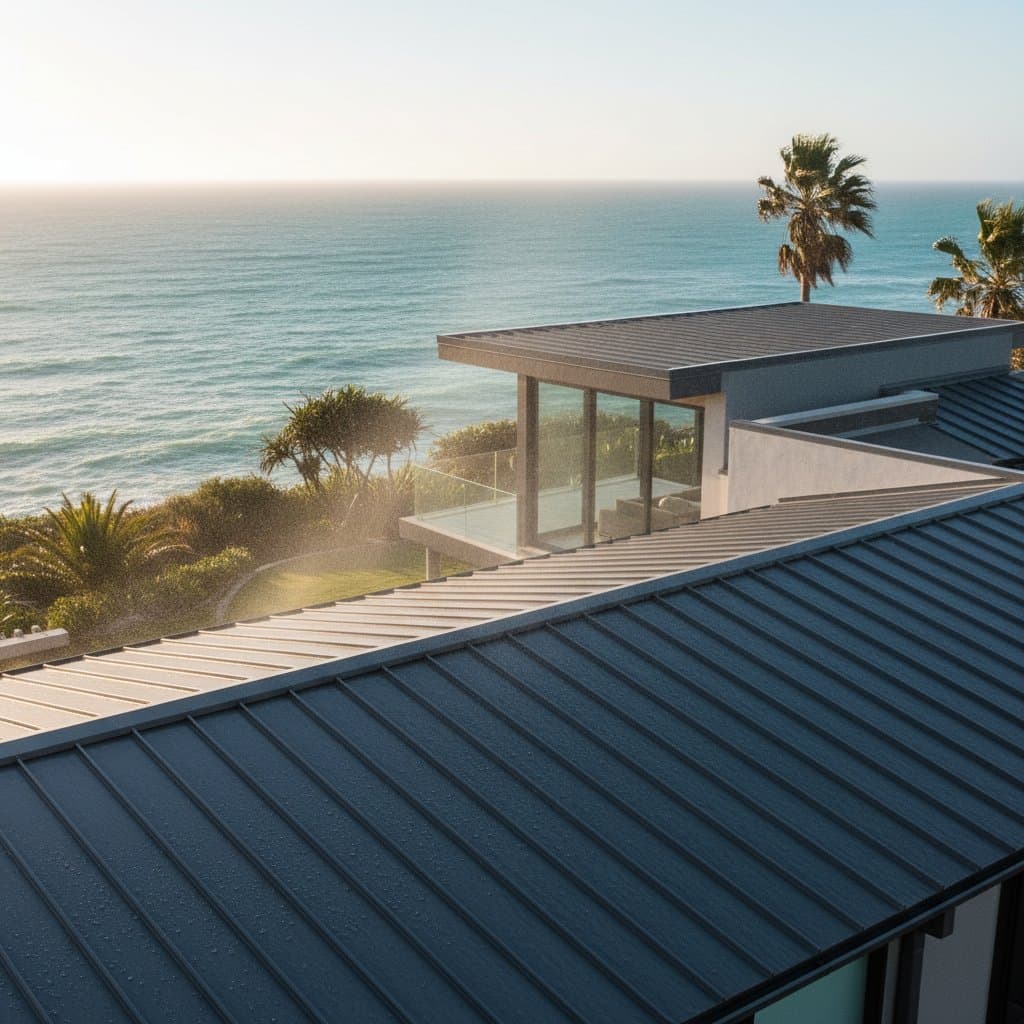
Why Salt Air Destroys Unprotected Metal Roofs
Coastal environments offer stunning views and refreshing breezes, yet they pose significant challenges for homeowners. Salt-laden air, carried by ocean winds, accelerates the corrosion of metal roofs that lack proper protection. This process not only shortens the lifespan of roofing materials but also leads to costly repairs and diminished property value.
Understanding the mechanics of salt-induced damage helps in selecting durable solutions. Salt particles settle on metal surfaces and attract moisture from the humid air. This combination creates an electrolytic reaction that eats away at the metal, particularly at vulnerable points like seams, fasteners, and edges.
Unprotected roofs in salty conditions often show signs of deterioration within a few years. Rust forms as protective coatings break down, allowing saltwater to penetrate deeper. Homeowners notice pitting, flaking paint, and eventual structural weakening, which compromises the roof's ability to shield the home from weather elements.
The Science of Corrosion in Coastal Settings
Corrosion occurs when salt ions bond with water to form a corrosive solution on metal surfaces. In coastal areas, this solution persists due to high humidity levels, preventing the metal from drying out. Over time, the reaction oxidizes the metal, converting it into brittle compounds that lose strength.
Fasteners and joints suffer the most because they trap moisture and salt. Standard galvanized steel, common in many roofs, provides initial resistance but fails under prolonged exposure. Aluminum and stainless steel fare better, yet even these require additional barriers to withstand the relentless assault.
Environmental factors amplify the damage. Strong winds deposit more salt inland, while fog and rain dilute and redistribute it. In regions with heavy surf, airborne salt concentrations can reach levels that corrode metals ten times faster than in inland areas.
Choosing Corrosion-Resistant Materials
Selecting the right metal and coatings forms the foundation of a durable coastal roof. Aluminum stands out for its natural resistance to salt corrosion; it forms a protective oxide layer that repels further attack. Galvalume, a steel coated with aluminum and zinc, offers a cost-effective alternative with enhanced longevity when properly maintained.
Coatings play a critical role in extending material life. Fluoropolymer finishes, such as Kynar 500, provide a thick, UV-resistant barrier that sheds salt and moisture. For added protection, apply silicone-based sealants around fasteners to prevent water ingress.
Consider the roof's profile and color as well. Standing seam panels minimize exposed seams, reducing corrosion sites. Lighter colors reflect heat, which helps in preventing thermal expansion that can crack coatings in hot coastal climates.
Installation Best Practices
Proper installation ensures that materials perform as intended against salt air. Begin by preparing the site during a period of stable, dry weather to avoid introducing moisture early. Schedule work for morning hours when temperatures remain cooler, minimizing panel expansion and contraction during the process.
Secure panels with stainless steel fasteners designed for marine environments. These resist rust and maintain tension despite temperature fluctuations. After installation, check and adjust fastener tightness one week later to account for settling and environmental changes.
Avoid common pitfalls, such as leaving panels exposed to the elements before fitting. Store materials in a dry, covered area and cover the roof promptly upon completion. Use breathable underlayments to allow moisture escape while blocking salt penetration from below.
Adapting to Local Coastal Conditions
Tailor your roofing strategy to the unique aspects of your coastline. In high-humidity zones, opt for full aluminum panels paired with stainless steel fasteners to combat persistent dampness. Wind-exposed locations benefit from interlocking panels secured with concealed clips, which enhance uplift resistance during storms.
Seasonal storm areas require reinforced designs, including extra underlayment layers and ridge bracing for stability. In cooler coastal regions prone to condensation, install breathable membranes under panels to vent trapped moisture and prevent internal corrosion.
Consult local building codes, as coastal counties mandate specific standards for wind resistance and corrosion ratings. Panels must often pass rigorous salt-spray tests. Engage builders experienced in regional conditions to ensure full compliance and optimal performance.
Professional Installation Versus DIY
While some maintenance tasks suit DIY efforts, full installation of a salt-resistant metal roof demands professional expertise. Professionals handle complex elements like flashing integration, precise fastener placement, and coating applications that ensure long-term integrity.
Hire certified installers for projects involving structural repairs, steep roof pitches, or cuts near chimneys and vents. These scenarios require specialized tools and safety measures. Additionally, building codes frequently stipulate professional installation to validate warranties.
DIY approaches work well for ongoing care, such as routine inspections, touch-up coatings on exposed areas, and debris removal from gutters. A licensed roofer with marine experience notes, "The coast gives no second chances. If you seal it wrong once, saltwater will find the gap."
Comprehensive Installation Checklist
Follow this step-by-step guide to execute a successful coastal roof project.
- Assess the current roof condition. Look for rust spots, leaks, or loose panels that may require prior repairs.
- Research coastal-rated metals. Evaluate options like aluminum, Galvalume, and coated steel based on durability and cost.
- Obtain local code requirements. Confirm standards for wind uplift and corrosion resistance in your area.
- Get quotes from certified installers. Inquire about marine-specific warranties and experience.
- Schedule installation during dry weather. Protect all materials from exposure until fitting begins.
- Inspect fasteners and joints post-installation. Apply approved sealants to all potential entry points.
- Document materials and warranties. Keep records in a secure location for future reference claims.
- Establish seasonal maintenance routines. Set reminders for salt rinsing and vent checks.
Each step contributes to the roof's overall resilience. Neglecting any phase, such as thorough inspection, risks voiding protections and inviting premature failure.
Frequently Asked Questions
How does saltwater damage roofs so rapidly?
Salt draws in moisture, prolonging wet conditions on metal surfaces. This sustained dampness speeds up the corrosive process, targeting seams and fasteners first.
Which metals endure longest in seaside environments?
Aluminum excels in direct salt exposure due to its oxide layer. Zinc-aluminum coated steel ranks next, provided the coating stays intact.
How frequently should cleaning occur?
Rinse with fresh water every few months, increasing frequency after strong winds. Prioritize gutters, valleys, and ridge caps where salt accumulates.
Do salt-resistant roofs require repainting?
Factory-applied coatings typically last years without intervention. Repainting becomes necessary only if fading or exposed metal appears.
Is it safe to pair copper gutters with a steel roof?
No, as dissimilar metals trigger galvanic corrosion. Match metals throughout or use nonconductive barriers to separate them.
Sustaining Your Coastal Roof Investment
A well-protected metal roof enhances your home's appeal and security in a salty environment. Regular maintenance, such as quarterly rinses and annual inspections, preserves the investment and avoids unexpected expenses. By choosing resilient materials and expert installation, homeowners enjoy peace of mind amid the beauty of coastal living.
This approach not only extends roof life beyond two decades but also boosts property resilience against environmental stresses. Document all care efforts to support warranty claims and track performance over time. Ultimately, proactive protection turns the challenges of salt air into manageable aspects of seaside homeownership.