
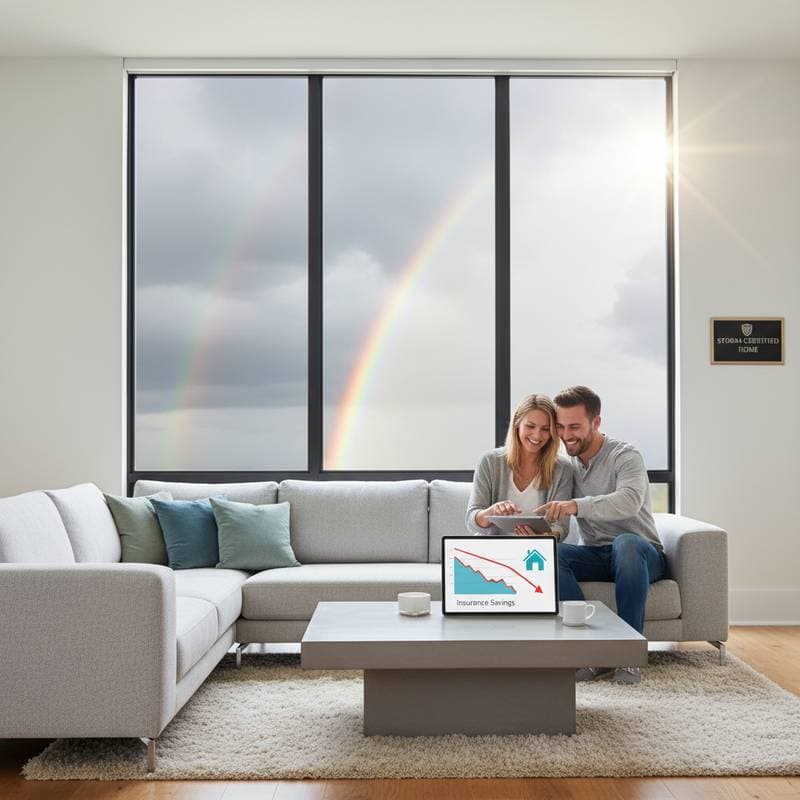
Certified Storm Homes Slash Insurance Costs by 30 Percent
Homeowners in coastal and storm prone areas can reduce insurance premiums by up to 30 percent through storm resistance certification. This process confirms that a property meets standards for structural strength and material performance that limit weather damage. The approach benefits anyone dealing with elevated premiums or financing requirements tied to risk levels. Follow these steps to reinforce your home, document improvements, and secure ongoing savings.
Key Upgrades That Earn Certification
- Schedule a wind mitigation inspection. A licensed professional evaluates roof attachments, window ratings, and overall connections. The resulting report with photos and codes shows exactly which features qualify for discounts.
- Strengthen roof to wall connections. Install metal clips or straps at regular intervals to secure rafters to wall plates. This upgrade often produces the largest premium reduction.
- Add impact rated windows or shutters. Choose products that carry etched certification marks meeting national testing standards. These prevent pressure changes that can compromise the structure.
- Apply a secondary water barrier on the roof deck. Use peel and stick membranes or sealed joints during re roofing to block rain entry.
- Replace the garage door with a wind rated model. Verify the label and retain installation records to confirm the rating.
- Organize all documentation. Store receipts, permits, and inspection forms together so insurers can process credits without delay.
- Submit the completed package to your insurer. Request a fresh premium calculation once every required item is verified.
- Perform routine maintenance. Inspect hardware, seals, and gutters twice each year to retain the discount.
Pricing a Certified Property
List the home slightly above comparable uncertified properties when market conditions support it. Buyers recognize the value of lower future insurance expenses. Collect recent sales data on similar homes, then add a premium equal to one year of documented savings. Ask your agent to review list to sale ratios for certified versus standard homes. If the property lingers on the market, adjust the price and emphasize comfort and efficiency benefits instead.
Provide the inspection certificate and a concise feature summary to every serious buyer. This step removes uncertainty about qualification for the discount.
Preparing the Home for Inspection
Walk the property with a checklist that covers the roof, openings, and structural ties. Address safety concerns such as loose tiles or damaged fascia first. Follow with functional improvements like added bracing and sealed joints. Complete cosmetic work only after structural items pass review. Reinspect completed work before final submission to avoid rework.
Marketing Certified Homes Online
Upload digital copies of certificates, inspection photos, and feature summaries alongside listing images. Add captions that state the verified ratings so buyers can see proof immediately. Check the listing across platforms to confirm every document displays correctly. Missing files reduce credibility and may hide the property from filtered searches.
Regional and Timing Considerations
Certification rules differ by location. Coastal zones emphasize wind ratings while inland areas may focus on hail or flood resistance. Check with the local building department for accepted standards. Masonry homes often need only window upgrades while wood frame structures require extra anchoring. Schedule roof and window work during dry periods and well before renewal deadlines to secure better contractor rates.
Professional Versus Owner Performed Work
Handle minor sealing, upkeep, and record keeping yourself when you have the necessary experience. Engage licensed inspectors, roofers, and installers for any structural or rated product work. Electrical or load bearing changes must meet code and include warranty paperwork. When in doubt about engineering details or local requirements, retain a qualified contractor.
Certification Process Checklist
- Review regional wind or storm standards.
- Book a licensed inspection.
- Analyze the report for gaps.
- Prioritize roof, opening, and connection upgrades.
- Hire licensed contractors and secure permits.
- Complete work while saving all receipts and photos.
- Obtain re inspection approval.
- Forward documents to the insurer.
- Request premium adjustment.
- Maintain features with semiannual checks.
The full process typically spans one to three months. Certification stays valid as long as rated features remain in place.
Long Term Advantages of Certification
Beyond premium reductions, certification improves structural durability and buyer interest. Properties with verified protection sell faster in competitive markets because owners demonstrate measurable risk reduction. Consistent upkeep preserves both the discount and the added market value.