
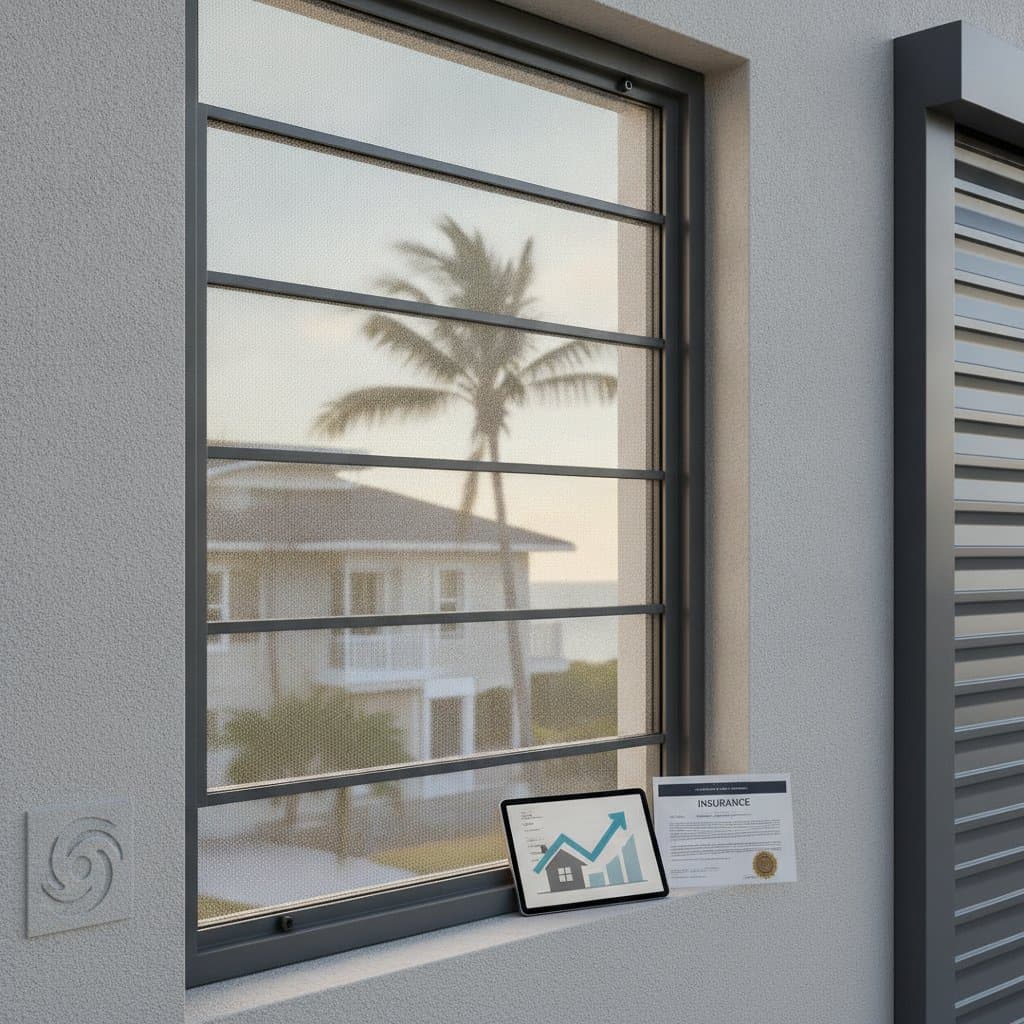
Assessing Local Requirements
Hurricane zones receive definitions from county maps in coastal regions and wind exposure ratings inland. Review current building codes to identify the exact product approvals accepted in your area. This step prevents purchasing windows that fail local standards.
Condo owners should verify association policies on exterior modifications before ordering replacements. Uniform requirements often apply to shared walls, which means board approval may be necessary for any changes.
Timing and Property Considerations
Contractor schedules fill quickly before peak storm season. Book installations during off-peak months to secure better material availability and lower labor rates. Frame construction typically demands additional anchoring compared with concrete block homes, so confirm fastener specifications with the installer in advance.
Professional Installation versus Limited DIY
Impact window projects require precise sealing and anchoring that most homeowners cannot achieve without calibrated equipment. Measure openings, compare product ratings, and complete insurance paperwork yourself, yet leave frame removal and structural work to licensed contractors.
Hire professionals when windows sit above the first floor, when openings show structural concerns, or when insurers demand stamped documentation. Small sheds or accessory buildings may allow DIY under local rules, provided seals and fasteners meet code and the process is photographed for records.
Step-by-Step Compliance Process
- Verify zone classification through official maps or insurer records.
- Examine existing windows against current testing standards.
- Obtain quotes from certified installers experienced with storm mitigation.
- Match window ratings to the wind speeds required in your zone.
- Arrange installation after securing permits and scheduling inspections.
- Reinforce frames, locks, and weather stripping during the project.
- Retain all certificates, invoices, and inspection reports.
- Submit documentation to request premium credits.
- Add compliance records to property files for future sales or refinancing.
- Inspect seals and tracks annually as part of routine maintenance.
Common Questions Answered
Can coverage continue without window upgrades?
Only when the existing policy predates the requirement and the property lies outside the designated zone. Renewals frequently request proof of compliance regardless.
What defines an impact-rated window?
Laminated glass with an interlayer that remains intact during debris impact and pressure tests qualifies as impact rated.
Do storm shutters serve as an acceptable substitute?
Certain insurers approve tested shutters that satisfy the same impact criteria. Obtain written confirmation from the provider before purchase.
How much time does installation require?
Most single-family homes need one to four weeks once materials arrive and permits clear.
Do these windows affect noise and energy use?
Laminated construction improves both insulation and sound reduction, delivering measurable comfort gains.
What ongoing care is necessary?
Regular track cleaning, lock lubrication, and seal inspections suffice. No specialized chemical treatments are needed.
Can financing occur through an existing mortgage?
Many lenders permit escrow improvement loans when upgrades meet code and enhance resilience. Consult a loan officer for specific terms.
Protecting Property and Coverage
Verification followed by targeted upgrades satisfies insurer mandates while strengthening the home against severe weather. Proper documentation secures discounts and supports higher resale value. Consistent maintenance preserves these benefits over time.