
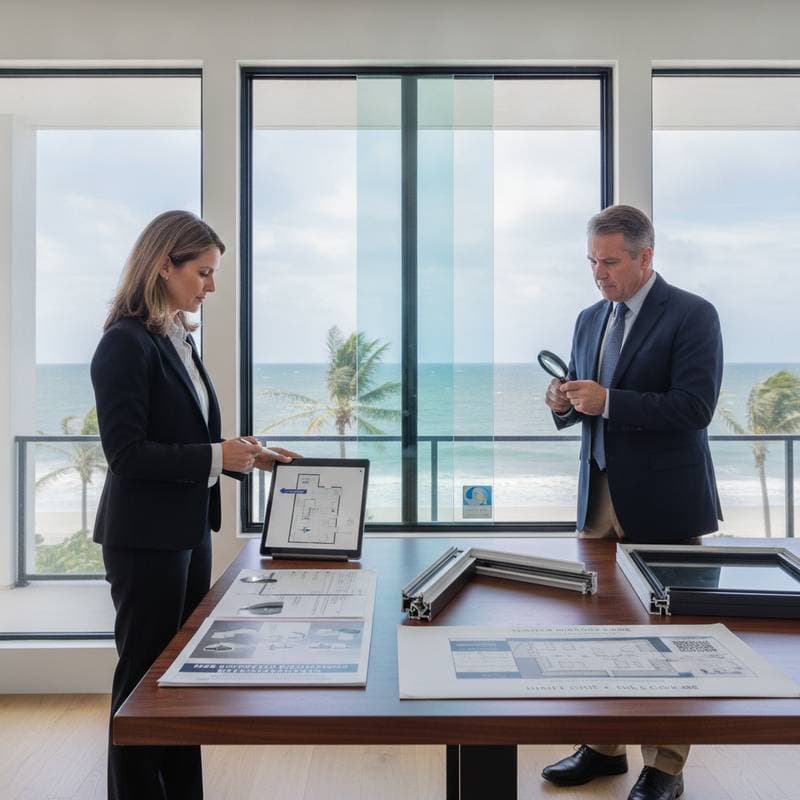
Impact Windows and Insurance Requirements
Homeowners in hurricane-prone regions often hear that insurers now require triple-pane impact windows. That claim is too broad. Insurance requirements depend on your state, county, wind zone, policy language, building code, and property features. Start by confirming the rule with your insurer and local building office. Then compare certified window systems, installation records, and possible premium credits. This process helps you avoid an unnecessary upgrade while still improving storm protection, comfort, and insurability.
Immediate Verification Steps
Contact your insurer first. Ask whether your policy requires impact-rated openings, wind mitigation features, or specific glazing. Request the answer in writing. This step costs nothing and takes minimal effort.
Next, check local building code requirements. Contact the building department to learn which wind pressure and impact standards apply to your address. Note the required product certifications for your zone.
Review your policy declarations page carefully. Look for deductibles, exclusions, opening protection terms, and inspection requirements. Identify any missing documentation that could affect coverage.
Schedule a wind mitigation inspection with a licensed inspector. This professional can document roof connections, shutters, windows, and doors. The inspection typically costs a few hundred dollars depending on local rates.
Collect all existing window records. Save product approvals, invoices, permits, and installer credentials. A complete file supports underwriting reviews and future claims.
Understanding Window Terminology
Triple-pane windows contain three layers of glass separated by sealed spaces. Impact windows use laminated glass and an interlayer designed to remain attached after breakage. These terms describe different features. A window can be impact-rated without being triple-pane. It can also be triple-pane without meeting the impact standard required for hurricane exposure.
Follow this verification process when requirements seem unclear. Gather your policy, property address, prior inspection reports, and current window information. Ask specific questions about the required standard, approved documentation, deadline, and available mitigation credit. Verify the answer against your state insurance department guidance and local code office. If answers conflict, request an underwriting review and consult a licensed insurance professional or building expert.
A coastal insurance broker with extensive residential underwriting experience noted that the written policy condition matters more than a sales claim. Keep this principle in your records.
Cost Analysis and Financial Planning
Obtain at least two written installation estimates. Ask each contractor to identify the product approval, design pressure rating, impact test standard, permit cost, removal work, disposal, and warranty terms. A lower quote may exclude structural repairs or finish work.
Possible incentives include premium credits, higher wind coverage limits, reduced deductibles, or replacement cost treatment. Credits are not automatic. Ask the insurer to estimate the savings before you sign a contract. Calculate the simple payback by dividing your net project cost by expected annual savings. Treat the result as an estimate, not a guarantee.
Avoid financing based on a promised insurance reduction. If a credit disappears after inspection or policy renewal, your payment obligation remains.
Property Preparation Sequence
Inspect frames, anchors, locks, caulk joints, and sill areas first. Repair leaks, rot, corrosion, and loose hardware before considering replacement. Confirm that rough openings can support the proposed system. Select products with local approval and suitable design pressure ratings.
Obtain permits before installation begins. Photograph concealed anchors and keep inspection signoffs. Test operation, drainage, locks, and weather seals after completion.
A common mistake is hiring a general handyman for permitted opening replacement. Use an installer familiar with hurricane-rated systems and local inspection practices. Ask for proof of licensing and insurance. Do not rely on a verbal claim that a product is storm proof.
Property-Specific Considerations
Window upgrades support a clear property message. Describe lower air leakage, quieter rooms, easier storm preparation, and documented protection. Avoid claims that promise complete safety or guaranteed insurance savings.
Translate local conditions into useful information. A home near open water may need stricter wind pressure documentation than a sheltered inland property. A condominium may require association approval and shared envelope rules. A historic district may limit visible changes.
Consider hosting a neutral hurricane readiness session open to all residents. Cover document storage, drainage checks, emergency supplies, and local permit procedures.
Energy Performance Documentation
Request the product's energy ratings, solar heat data, visible light information, air leakage rating, and condensation guidance. Keep manufacturer sheets, invoices, permit records, and final inspection documents. These records help future buyers and may support insurance or energy program reviews.
A sustainability feature has value only when installed correctly. Poor flashing can cause water damage despite efficient glass. Confirm that the installer follows the manufacturer's details and local code.
Property Documentation for Buyers
A complete listing should state the window type, impact approval, installation date or project record, permits, energy features, and transferable warranties when available. Use clear room descriptions and disclose any unfinished work.
Publish documents through the proper transaction channel, not as unsupported claims. Respond consistently to buyer questions. If buyers cannot verify compliance, they may discount the property or request an inspection contingency.
Decision Framework
Adapt your decision to four facts: your wind exposure, property type, climate, and permit process. Coastal areas may require impact testing and higher design pressure. Inland areas may focus on wind resistance without the same debris standard. Condominiums often require board approval. Older homes may need structural repairs before replacement windows fit safely.
Essential Documentation
Maintain records of product approvals, installation permits, inspection reports, warranty documents, and energy performance data. Store these materials in a secure location accessible to future owners and insurance representatives.